Pantry infestations in older Allegheny County properties often extend far beyond the cardboard dry-food container where larvae are first detected. In Victorian builds throughout Shadyside and brick multi-family units…
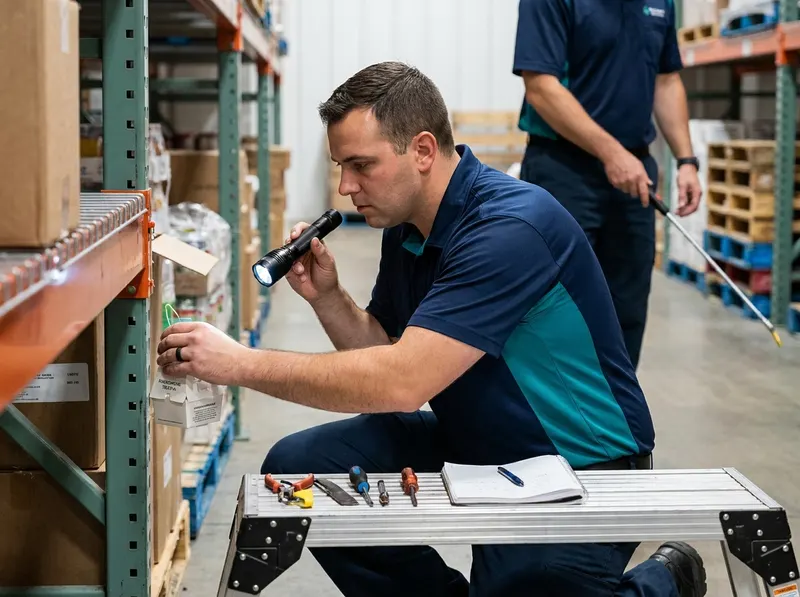
Pantry infestations in older Allegheny County properties often extend far beyond the cardboard dry-food container where larvae are first detected. In Victorian builds throughout Shadyside and brick multi-family units in Bloomfield, food dust routinely migrates through unsealed baseboard gaps, lath-and-plaster crevices, and subflooring beneath stoves. Indian meal moths (*Plodia interpunctella*) and grain beetles (*Oryzaephilus surinamensis*) exploit these micro-deposits, establishing secondary colonies inside wall cavities. Broadcast chemical spraying fails because larvae remain shielded inside structural voids or within sealed foodstuffs. The clearance protocol relies on forensic inspection to locate primary contaminated lots, followed by thermal or mechanical extraction of eggs and larvae, combined with targeted sex-attractant interceptors that capture adult males and break the 28-to-35-day reproductive cycle.
Selecting pheromone trapping and clearance over general baseboard insecticide treatments is critical when protecting living areas and kitchen pantries. Aerosol pesticide foggers simply disperse adult moths into higher ceiling volumes and adjacent living rooms in tall South Side Flats row houses without contacting the pupae concealed behind cabinet shelving. Conversely, pheromone clearance deploys target-specific kairomone and pheromone matrices that pull adults out of inaccessible gaps into recorded catch surfaces, providing quantifiable count reductions week over week. The operational trade-off requires complete structural clearance: homeowners must temporarily clear pantry shelves and permit physical access to structural cabinet seams so industrial HEPA vacuums can extract food dust accumulations that sustain secondary populations.
Structural diagnostics also differentiate localized kitchen infestations from structural grain-pest reservoirs driven by external animal caches in Squirrel Hill and Brookline homes. In older properties, deer mice or eastern gray squirrels routinely hide birdseed and tree nuts inside stone foundations, crawlspaces, or soffits along Mount Washington hillsides. Stored product beetles can feed on these subterranean or attic caches continuously, re-entering living quarters through floor registers and baseboards regardless of pantry sanitation. Technicians inspect these physical perimeters to confirm the infestation origin, verifying whether the pest pressure stems from an introduced grocery item or an animal cache located within the building frame before establishing mechanical perimeter exclusion.
Every job gets a firm, written price after a free on-site visit.
Tell us about your stored product pest pheromone trapping and clearance job in Pittsburgh and we'll send a clear, written quote, usually the same day.
 Fentaro Pest Solutions